Leading Q-Apps for Improving Accessibility in Correctional Facilities
December 2, 2025
December 2, 2025
Correctional facilities operate in highly structured, security-driven environments where operational clarity and equitable access to services are essential. Yet many facilities continue to face persistent obstacles: high staff turnover, frequent lockdowns, and unpredictable schedule changes can create friction for inmates, visitors, attorneys, and service providers. These pressures can slow service delivery, increase confusion, and reduce the overall accessibility of essential programs.
ACF Technologies supports correctional agencies with digital tools designed to bring structure, transparency, and efficiency to every step of the service experience. By strengthening communication, improving predictability, and reducing unnecessary movement, these Q-Apps help facilities operate more safely while enhancing access for every individual involved.
Building an accessible correctional environment requires more than scheduling tools. Agencies need systems that help them respond effectively to operational shifts, communicate clearly with diverse populations, and provide consistent service even during periods of resource strain.
 The operational strain from lack of accessibility
Despite ongoing modernization efforts, correctional environments continue to face significant operational strain. A 2024 analysis by the Prison Policy Initiative found that the total correctional workforce has shrunk by 11 percent in state prisons and 7 percent in local jails since 2020, even as correctional systems work to keep pace with returning inmate populations.
In addition, roughly half of U.S. corrections agencies report annual officer turnover rates between 20 percent and 30 percent. These staffing gaps increase wait times, create confusion for visitors, and introduce inconsistencies that affect both safety and service quality.
Strengthening accessibility therefore requires structured, multi-layered systems that support clear communication, predictable movement, and rapid response—even when staffing and capacity fluctuate.
The accessibility framework becomes operational through the targeted functionality of ACF’s Q-Apps. Each application addresses specific challenges within correctional environments and strengthens service delivery.
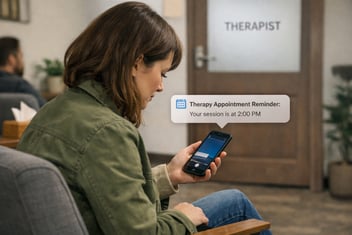
This tool allows facilities to send different confirmations and reminders based on appointment category. Legal visits, medical appointments, and family calls each require distinct preparation and guidelines. This Q-App ensures that visitors, attorneys, and service providers receive the precise information they need ahead of time, reducing uncertainty and improving readiness before arrival.
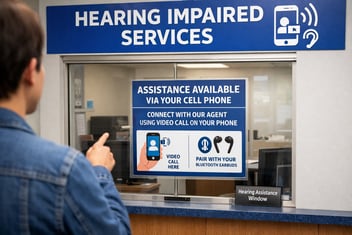
By delivering visual and audible announcements in multiple languages, this Q-App ensures that all visitors can clearly follow instructions. Whether announcing ticket calls or “Now Serving” updates, multilingual messaging improves accessibility and reduces delays caused by misunderstood instructions.
When delays occur or services must pause, this Q-App notifies individuals immediately when they are placed back into the queue. Visitors can remain in designated waiting areas while receiving real-time updates, helping reduce congestion and unnecessary movement through secure corridors.
During emergencies, weather disruptions, or sudden operational changes, administrators can cancel multiple appointments simultaneously while automatically notifying all affected individuals. The system accounts for time-zone differences across facilities and ensures communications remain accurate and timely. This prevents wasted travel and helps maintain organized entry points.
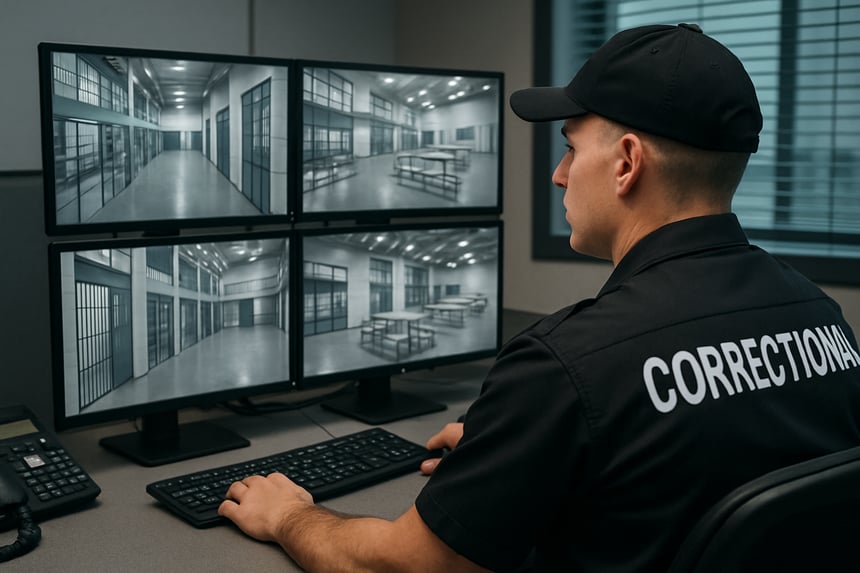
Accessibility in correctional settings is not only about improving convenience—it directly supports safety, fairness, and operational stability. By integrating clear communication, multilingual support, structured queuing, and rapid-response tools, ACF Technologies helps correctional agencies modernize the inmate and visitor experience.
Together, these capabilities create facilities that are more organized, more predictable, and more accessible for every individual who depends on them.