Modernizing Medication Activation at the 87th Medical Group Pharmacy
March 19, 2026
March 19, 2026
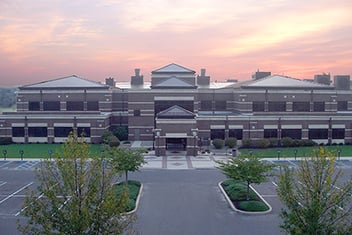
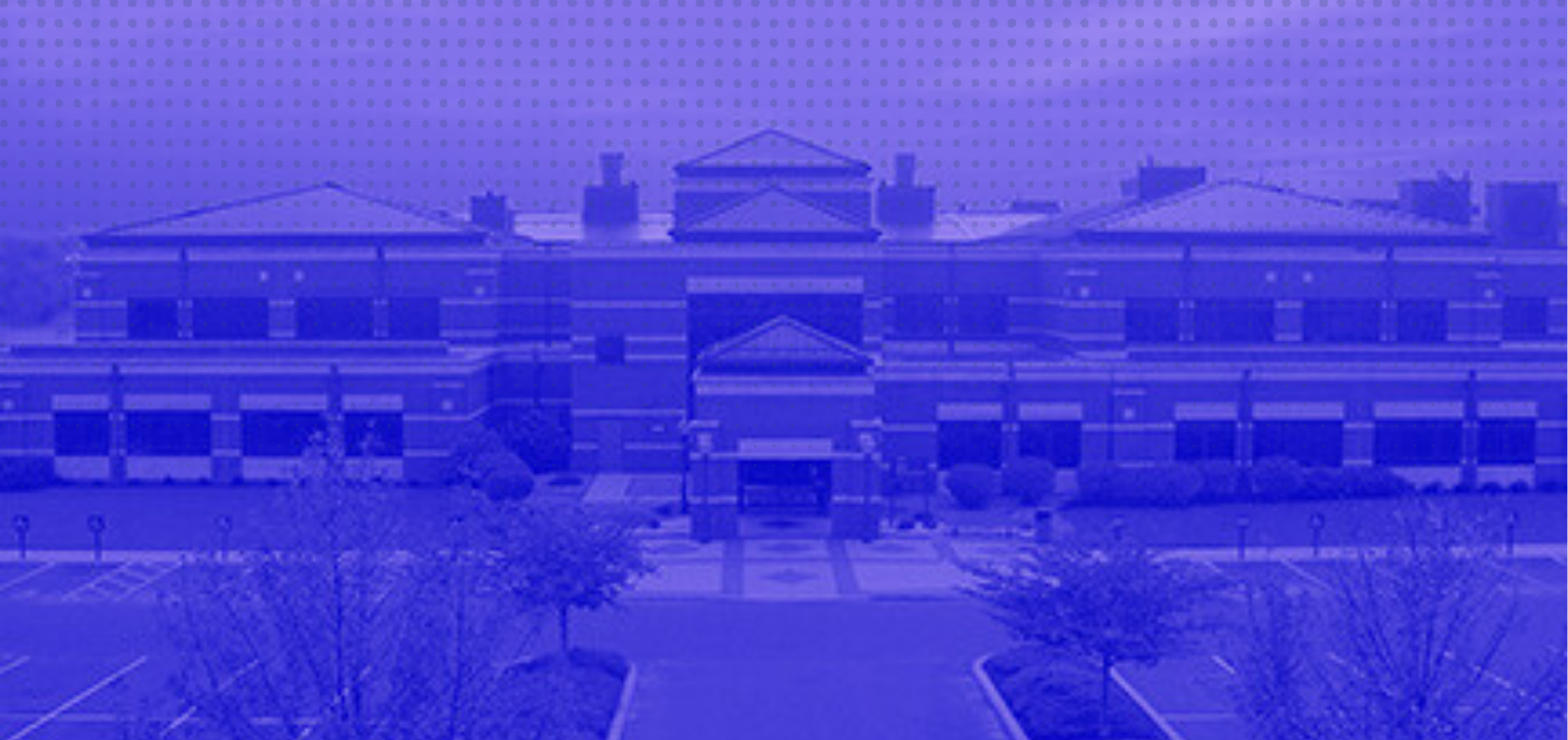
The 87th Medical Group (MDG) at Joint Base McGuire-Dix-Lakehurst provides healthcare services to a diverse military community that includes active-duty personnel, dependents, and retirees. Among its many responsibilities, the base pharmacy plays a critical role in ensuring patients receive timely access to prescribed medications.
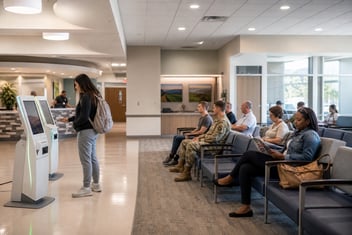
Despite the dedication of pharmacy staff, the medication activation and pickup process created operational strain. Patients often experienced long wait times while standing in physical queues, particularly during peak demand periods. Leadership sought a more efficient and patient-centered approach that could modernize pharmacy operations while maintaining the accuracy and reliability required in a military healthcare environment.
Prior to modernization, the medication activation process relied heavily on manual workflows that required patients to remain onsite while prescriptions were prepared. This approach created congestion in the pharmacy area and placed additional pressure on both patients and staff.
During high-volume periods, lines quickly grew as patients waited for medications to be processed. This created a crowded environment that was difficult to manage and reduced the ability of staff to maintain a smooth operational flow. Patients frequently experienced frustration due to extended waiting periods, particularly when they were unsure how long the process would take.
From an operational perspective, pharmacy staff had limited visibility into patient flow once individuals joined the line. Without a structured queue management system or remote notification capability, staff were forced to manage arrivals reactively rather than proactively. The lack of real-time communication tools also meant that patients remained physically present in the pharmacy even when their prescriptions were not yet ready.
As patient demand continued to grow, it became clear that the existing model could not sustain efficient service delivery. Leadership recognized the need for a solution that could streamline the activation process, improve communication with patients, and allow pharmacy staff to operate with greater visibility and control.
ACF Technologies partnered with the 87th Medical Group to introduce a modernized medication activation process supported by automated communication and streamlined patient flow.
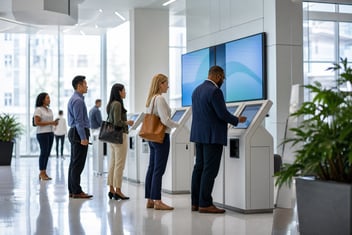
At the core of the solution was the implementation of Q-Anywhere, enabling patients to initiate the medication activation process without remaining physically in line. Through a simple drop-off workflow, patients could submit prescriptions and leave the pharmacy area while the medication was prepared.
Once prescriptions were ready, patients received automated text message notifications informing them that their medication was available for pickup. This communication allowed patients to return at the appropriate time rather than waiting onsite throughout the activation process.
By combining digital notifications with a redesigned drop-off workflow, the pharmacy significantly reduced congestion in the waiting area. Pharmacy staff were able to focus more effectively on prescription preparation and accuracy rather than managing long physical queues.
The implementation followed a structured rollout process. ACF Technologies and pharmacy leadership began with an operational assessment to identify workflow bottlenecks and communication gaps. The solution was then configured to align with the pharmacy’s existing procedures and security requirements. A pilot program was introduced to gather feedback from both staff and patients before expanding the system across the full pharmacy operation.
This phased approach ensured that the new process integrated smoothly into daily operations while allowing staff to adapt to the updated workflow.
The impact of the modernization effort was immediate. Patients no longer needed to stand in line while waiting for prescriptions to be activated, significantly reducing the time spent inside the pharmacy. The drop-off and notification workflow allowed patients to continue their daily activities and return only when medications were ready.
Operationally, the pharmacy experienced a noticeable improvement in workflow efficiency. Staff were able to serve patients more effectively while maintaining focus on prescription accuracy and service quality. Reduced congestion during peak hours also made it easier for staff to manage patient interactions and maintain a predictable service environment.
Patient satisfaction improved as communication became clearer and wait times became more manageable. Instead of experiencing uncertainty around how long the process might take, patients received direct notifications when their medications were available.
The modernization also provided pharmacy leadership with greater clarity into operational patterns, allowing the team to better balance demand and maintain consistent service delivery.
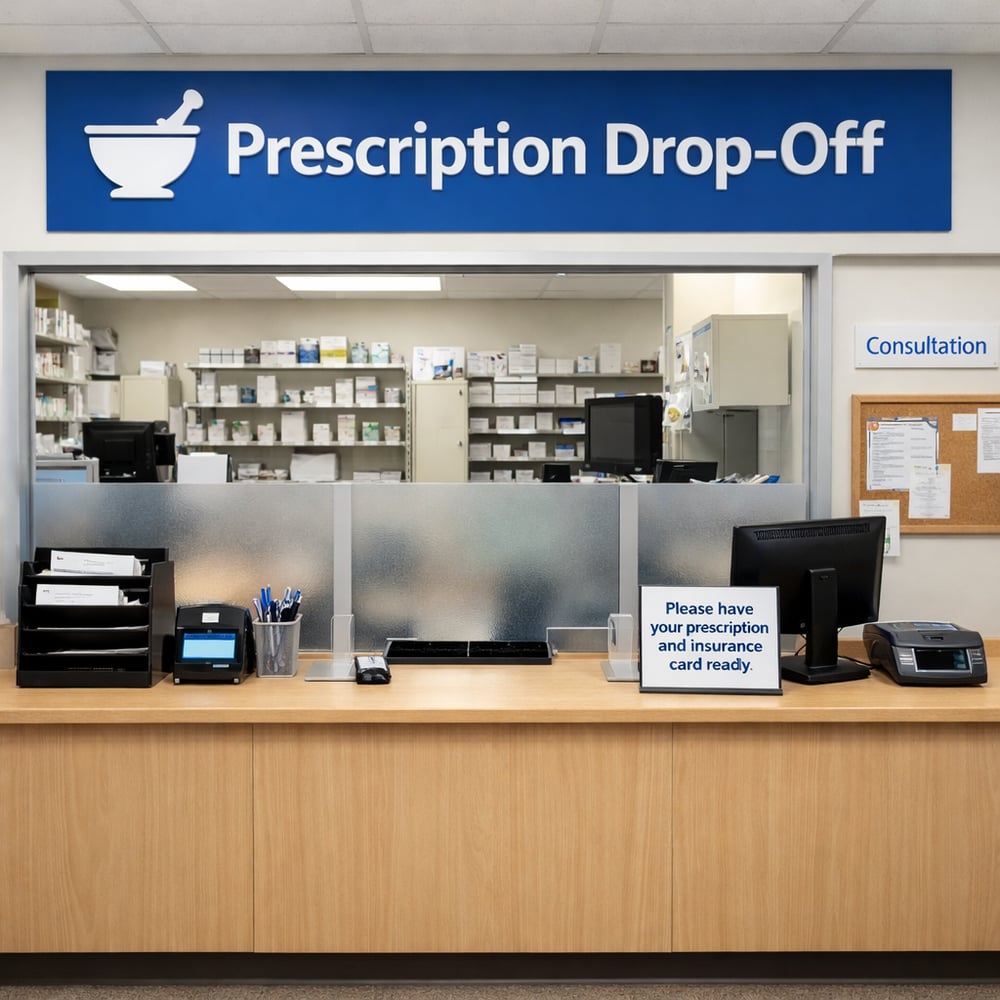
By modernizing the medication activation process with automated notifications and streamlined drop-off workflows, the 87th Medical Group pharmacy transformed how patients interact with pharmacy services. The new system replaced long physical queues with a predictable and flexible process that respects both patient time and staff workload.
Today, pharmacy operations are more structured, communication with patients is clearer, and the service environment is more efficient and manageable. The transformation demonstrates how thoughtful digital tools can improve both operational performance and patient experience within military healthcare facilities, creating a model for future modernization across similar environments.
Is your organization looking to improve wait times and customer experience with intelligent queue management?