Improving Public Service Access Through Accessibility Design
April 8, 2026
April 8, 2026
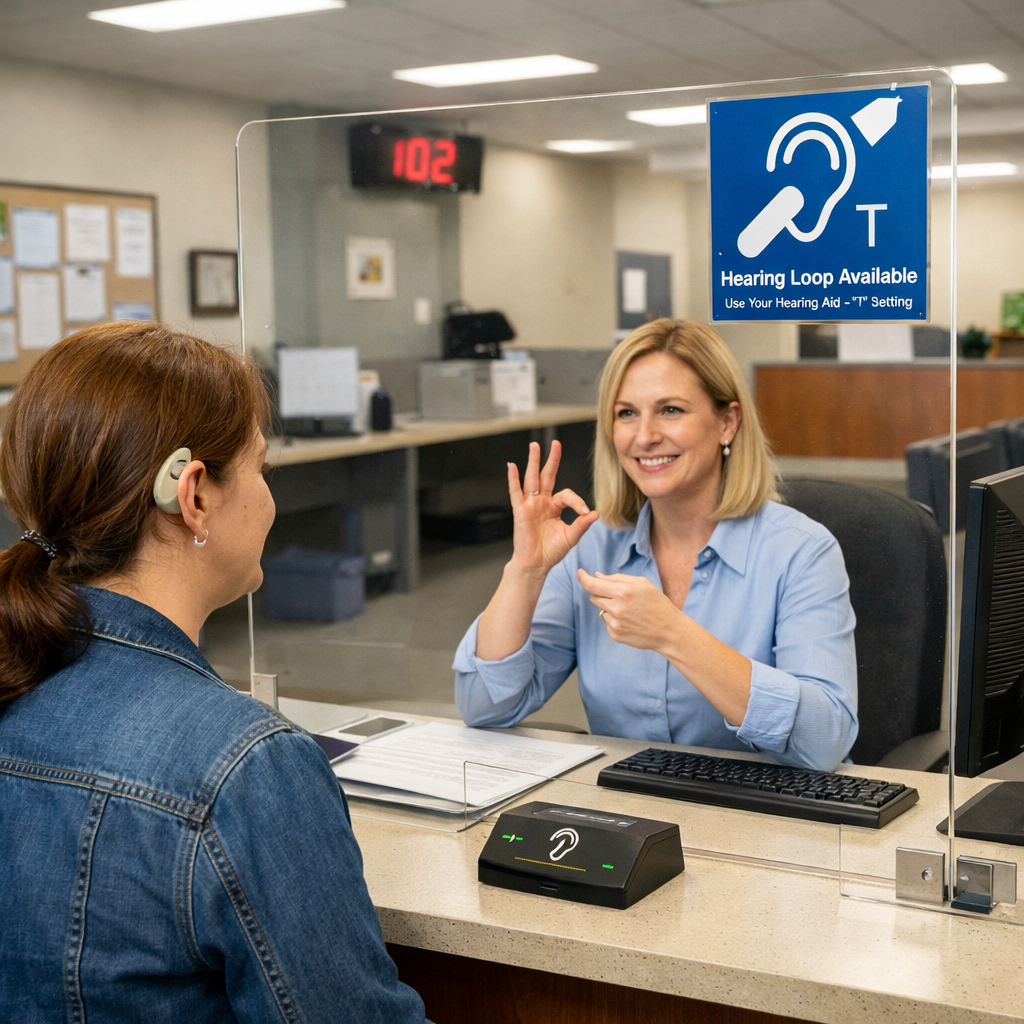
Public sector organizations are facing increasing pressure to improve ADA compliance in public services, particularly as digital accessibility becomes a core requirement. According to the World Health Organization, over 1 billion people globally live with some form of disability, representing a significant portion of citizens interacting with government services. This growing demand highlights the importance of designing service environments that are accessible across all interaction points.
Accessibility is no longer limited to physical infrastructure or individual digital touchpoints. It now defines how effectively citizens can navigate complete service journeys. As expectations evolve and regulatory guidance becomes more explicit, accessibility is emerging as a central component of service delivery rather than a separate compliance effort.
Most public service environments are built on a combination of digital and in person interactions. Citizens move between online appointment systems, physical locations, kiosks, and payment processes. While each component may function independently, they are rarely designed as a cohesive experience.
This creates structural inefficiencies. Accessibility may exist within one channel but break down in another. A digital form may meet accessibility standards, but the transition to an in person interaction introduces new barriers. These inconsistencies create friction for both citizens and staff.
As service environments expand across multiple channels, maintaining consistency becomes more complex. Accessibility is no longer evaluated at a single point but across the entire journey.
Improving accessibility requires a shift from isolated improvements to coordinated service design. When accessibility is embedded into how systems operate together, organizations can deliver more consistent and reliable experiences:
Structured service systems play a critical role in ensuring accessibility is maintained across the entire journey. By connecting interactions and aligning processes, organizations can reduce variability and improve outcomes.
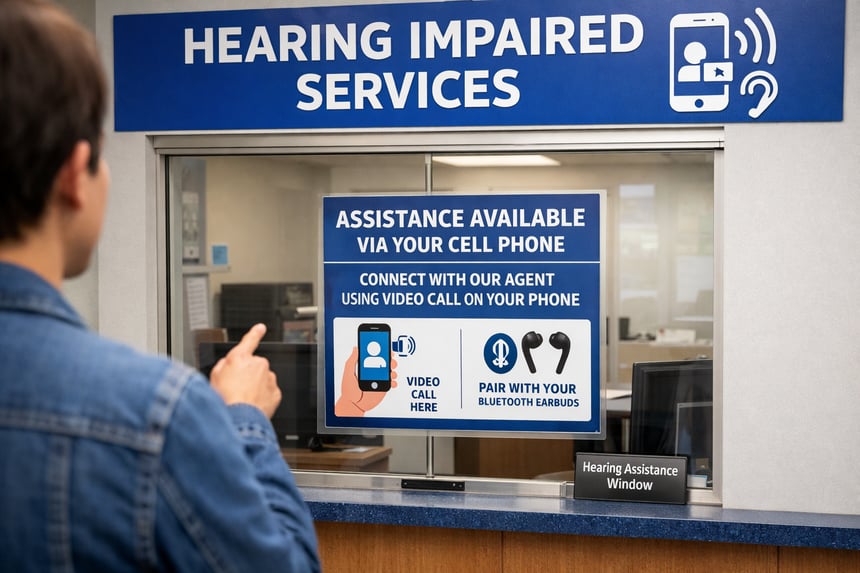
Accessibility is increasingly becoming a defining factor in how public services are evaluated. Citizens expect to engage with services that are not only available but also usable regardless of their needs or circumstances.
Organizations that approach accessibility as part of operational design are better positioned to meet these expectations. By focusing on the full service journey, they can create environments that are more consistent, efficient, and inclusive.
Over time, this approach strengthens both service delivery and public trust. Accessibility becomes a reflection of how well systems are designed to serve everyone.
The future is now, and it begins with smarter decisions.