Improving Mental Health Access for Veterans
May 11, 2026
May 11, 2026
Mental health awareness continues to grow across the United States, but for many veterans, awareness alone does not translate into access. Within the U.S. Department of Veterans Affairs, demand for mental health services continues to rise. According to the VA, more than 1.7 million veterans receive mental health services each year, reflecting both increased need and greater willingness to seek care. Yet even as more veterans take that first step, the path from asking for help to receiving care remains complex.
For many veterans, deciding to seek mental health support is one of the most difficult steps in the process. It should not be made more complicated by the system that follows. Mental health challenges do not begin in the exam room. They begin in the moments leading up to care, when a veteran tries to schedule an appointment, understand where to go, or navigate uncertainty around when they will be seen. These early interactions shape whether care continues or breaks down, making access and experience just as critical as the clinical services themselves.
For veterans, accessing mental health services often involves navigating a system that spans multiple facilities, service types, and care delivery models. While the VA has expanded services significantly, access challenges remain. A report from the U.S. Government Accountability Office has highlighted ongoing issues with wait times and inconsistencies in how access to care is measured across facilities, reinforcing that availability does not always equal accessibility.
Unclear entry points can make it difficult for veterans to know where to begin, especially when seeking support for the first time. Long or unpredictable wait times can increase anxiety, particularly when urgency is high but visibility is low. Missed or delayed appointments can disrupt care plans, while staff must manage both scheduled visits and urgent walk-in needs.
In mental health care, these are not minor inconveniences. They are moments where access can stall, and where a veteran may choose not to continue seeking help.
Improving mental health access requires more than increasing capacity. It requires designing systems that make it easier for veterans to move through the process of care with clarity and confidence.
These capabilities help shift the experience from reactive to coordinated, ensuring that veterans can access care without unnecessary friction.
Improving access requires more than availability. It depends on how effectively systems connect veterans to care, reduce uncertainty, and support continuity across each step of the experience.
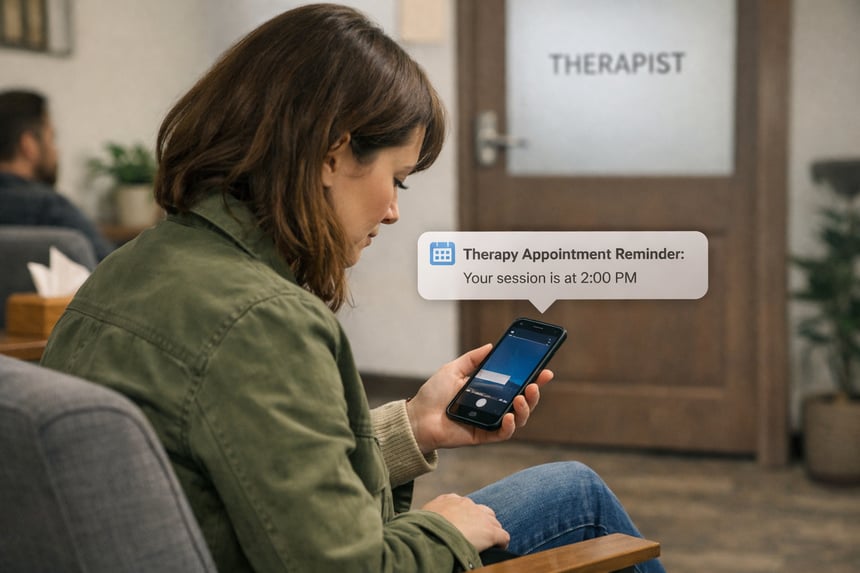
Mental health awareness is an important step, but it must be matched by systems that make care accessible in practice. For veterans, the ability to easily schedule, attend, and continue care is essential to long-term outcomes. Every interaction leading up to treatment plays a role in whether that care is sustained.
Improving mental health access within the VA is not solely about expanding services. It is about creating a more predictable, transparent, and supportive experience across the entire journey. When systems are designed to reduce friction and provide clarity, they help ensure that veterans are not only encouraged to seek help, but are able to receive it when they need it most.
The future is now, and it begins with smarter decisions.